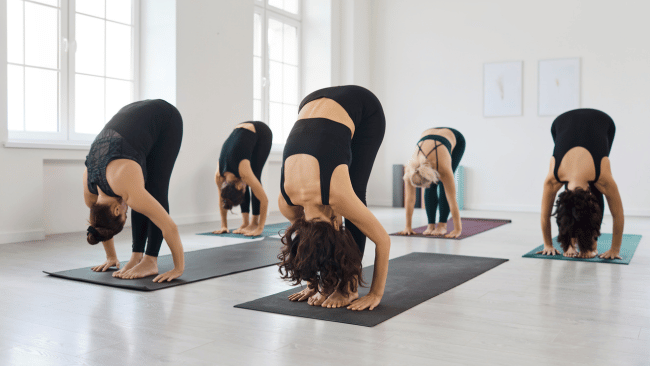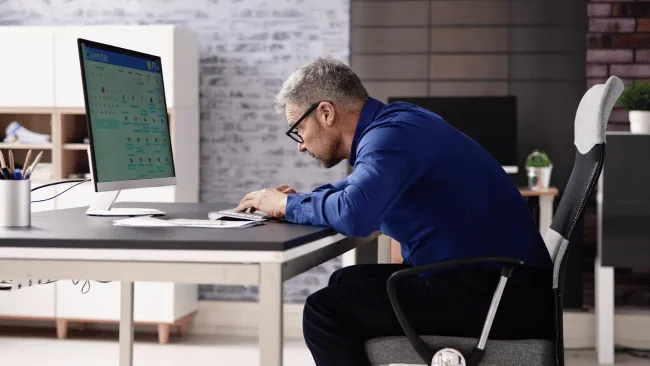
We spend a large part of our day sitting: at our computers, in meetings, in the car, and then again when we get home. With everyday responsibilities, deadlines, and tasks that need to be taken care of, it’s easy to spend the entire day in almost the same position without even realizing how little we’ve actually moved.
We handle most of our responsibilities in a “static” way, moving between a few clicks, phone calls, and meetings, which means physical activity often ends up at the bottom of our list of priorities. That’s exactly why it’s worth taking a moment to consider how much room we actually make for physical activity in our day.
Prolonged Sitting as Part of Everyday Life
The problem is not simply that we sit, but that periods of sitting often add up throughout the day. After several hours at the computer comes the drive home, and we may spend our free time sitting or lying down as well. As a result, our bodies move less and less, while spending more and more time in the same position.
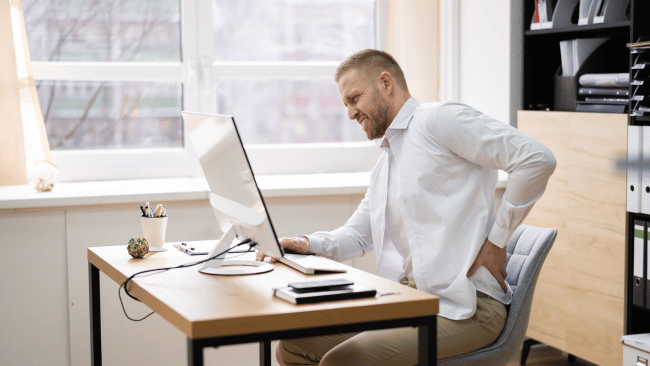
Over time, stiffness, tension, and aches and pains may develop, along with a feeling of fatigue. At that point, it is only natural to want to rest, so we sit or lie down again — and can easily find ourselves caught in a vicious cycle. Instead of breaking the pattern through movement, we may reinforce it even further by spending more time at rest.
That is why it is important to find ways to move and stretch regularly and incorporate more physical activity into our daily routines, even when it feels like we simply do not have the time for it.
How Movement Affects Your Workday
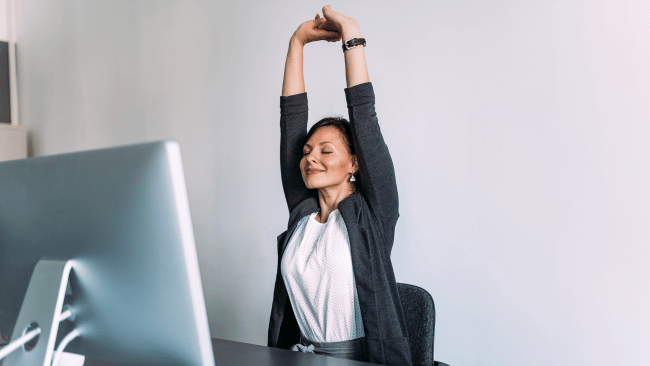
When we spend most of the day sitting, the body sometimes needs just a small nudge to get moving. This could mean taking the stairs instead of the elevator, going for a short walk during a break, or doing a few quick stretches, even while sitting at your desk. The important thing is simply to break up long periods of sitting from time to time and give your body a chance to change position.
These small activities can help break up feelings of sluggishness, wake us up, and give us a brief chance to step away from the screen and our everyday tasks. They don’t require much time, yet they can become a simple part of the workday that gradually turns into a habit.
Even Small Changes Can Make a Difference
More movement throughout the day can be noticeably beneficial. After a few minutes of walking, we may feel more awake and break the feeling of drowsiness that often comes after prolonged sitting. Stretching and moving around can help reduce stiffness in the neck, shoulders, and back, while changing position can relieve areas of the body that have been under the same strain for hours.
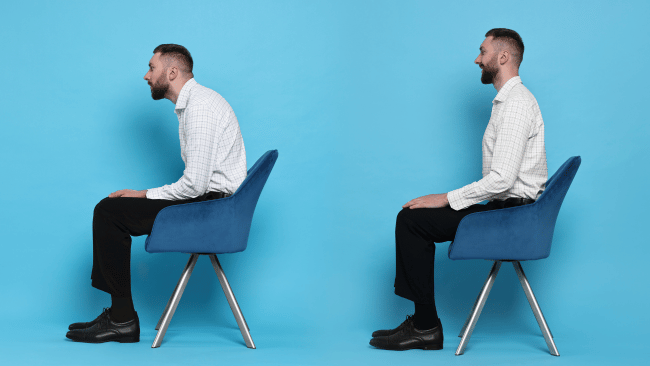
A particular issue is the position we unconsciously adopt when sitting in front of a screen — our head moves forward, the neck extends, the shoulders drop, and the back rounds. If we remain in this position for hours, the muscles in the neck, shoulders, and back are under constant strain, which can contribute to tension, discomfort, and poorer posture. This is why standing up regularly, changing position, and taking a few moments to stretch are not simply breaks from work, but a way to allow the body to move out of a prolonged, static position.
The benefits are not only physical. When we take a break from looking at a screen, our eyes can rest from focusing at the same distance for a prolonged period. A short walk or another physical activity also gives us some distance from work, which can help us return to a task with a clearer head. Regular physical activity is also associated with better mood and may help reduce feelings of stress and tension.
Making Movement Part of Everyday Life
The most important thing is to find a form of physical activity that works for us and that we can maintain over the long term. For some, this might be a morning workout; for others, a walk after work, swimming, cycling, or a group exercise class. Alongside small changes throughout the day, regular activity outside working hours can help us break away from a sedentary routine more easily.
We don’t always have to do the same thing, either. That is why flexibility matters — MultiSport gives us access to a variety of activities and locations, allowing us to choose what suits us best at any given moment, depending on our schedule, interests, and everyday pace. The goal is not to be active in the same way every day, but to find activities that we can fit into our lives and gradually turn into a habit.